Vitamin D is an essential fat-soluble vitamin that helps the body absorb calcium and phosphorus, two minerals that are critical for maintaining strong bones and teeth. Unlike most vitamins, Vitamin D can be produced naturally when your skin is exposed to sunlight.
This unique characteristic has earned Vitamin D the nickname “the sunshine vitamin.” Although sunlight is the primary source for many people, Vitamin D can also be obtained through certain foods and dietary supplements.
Maintaining healthy Vitamin D levels supports bone health, muscle function, immune system performance, and many other important bodily processes.
When ultraviolet B (UVB) rays from the sun reach the skin, they trigger a chemical reaction that converts a naturally occurring cholesterol compound into Vitamin D3.
The newly formed Vitamin D then travels to the liver and kidneys, where it is converted into its active form. This active form helps regulate calcium absorption, bone mineralization, muscle function, and immune health.
Several factors influence how much Vitamin D your body can produce, including skin tone, age, geographic location, season, time of day, and the amount of skin exposed to sunlight.
Vitamin D performs numerous functions throughout the body. One of its primary roles is supporting healthy bones by helping the body absorb calcium efficiently.
It also contributes to normal muscle function, helping maintain strength and balance. In addition, Vitamin D supports the immune system, allowing the body to respond effectively to infections and illnesses.
Researchers continue to study Vitamin D’s role in cardiovascular health, mood regulation, and overall wellness.
Sunlight provides one of the most natural ways to maintain healthy Vitamin D levels.
Unlike supplements, sunlight allows the body to regulate Vitamin D production according to its needs. Moderate sun exposure also encourages outdoor activity, which can improve physical fitness and mental well-being.
Many people experience improved mood after spending time outdoors, partly because sunlight influences the body’s natural biological rhythms.
Combining safe sun exposure with a healthy lifestyle may support long-term health.
The amount of sunlight required varies from person to person.
Factors such as skin color, season, latitude, cloud cover, clothing, sunscreen use, and air pollution all affect Vitamin D production.
People with lighter skin generally produce Vitamin D more quickly than those with darker skin because melanin reduces UVB absorption.
Short periods of sun exposure on the face, arms, or legs several times per week are often sufficient for many individuals during sunny months. However, needs vary considerably depending on environmental conditions.
UVB rays are usually strongest around the middle of the day.
During this period, the body may produce Vitamin D more efficiently than during early morning or late afternoon.
However, prolonged exposure during peak sunlight hours also increases the risk of sunburn and skin damage.
Balancing adequate sunlight with proper skin protection is important for maintaining healthy skin while supporting Vitamin D production.
Several conditions can limit the body’s ability to produce Vitamin D naturally.
Living in northern regions with limited sunlight during winter months may reduce UVB exposure.
Using sunscreen correctly helps protect against harmful ultraviolet radiation but may also decrease Vitamin D synthesis.
Older adults often produce less Vitamin D because aging skin becomes less efficient at converting sunlight into Vitamin D.
People who spend most of their time indoors or wear clothing that covers most of the body may also have lower Vitamin D production.
Although relatively few foods naturally contain Vitamin D, some excellent dietary sources are available.
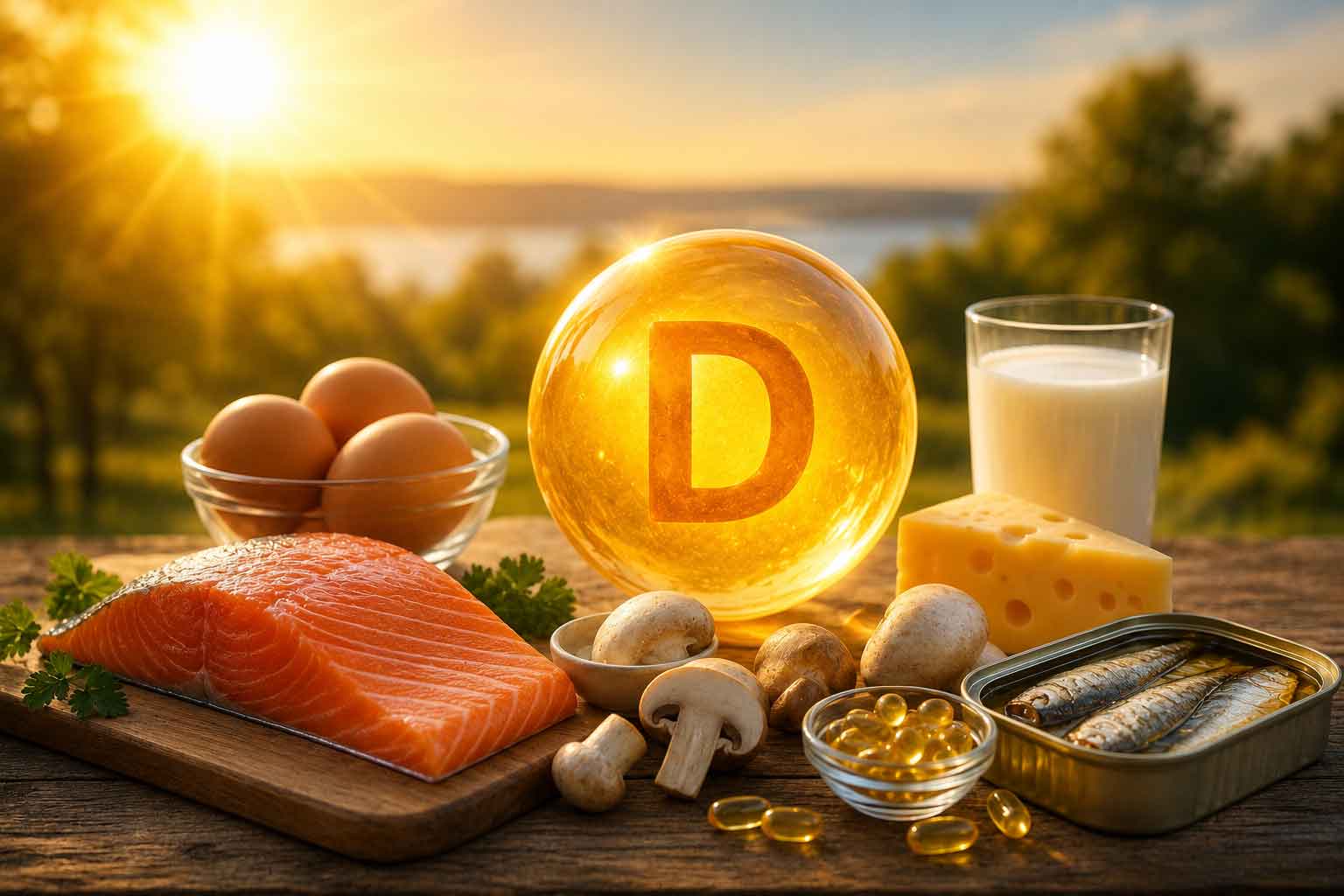
Fatty fish such as salmon, mackerel, sardines, and tuna provide significant amounts of Vitamin D.
Egg yolks, beef liver, fortified milk, fortified yogurt, breakfast cereals, orange juice, and certain mushrooms exposed to ultraviolet light can also contribute to daily intake.
Including these foods as part of a balanced diet helps support healthy Vitamin D levels throughout the year.
Vitamin D deficiency may develop gradually, and symptoms can vary between individuals.
Common signs include persistent fatigue, muscle weakness, bone discomfort, frequent illness, slow wound healing, and reduced physical performance.
Severe deficiency may contribute to weakened bones, increased fracture risk, and impaired bone development in children.
Because these symptoms may have multiple causes, proper medical evaluation is important before starting treatment.
Some groups have a greater likelihood of developing Vitamin D deficiency.
Older adults often produce less Vitamin D naturally.
Individuals with darker skin may require longer sun exposure to produce similar amounts of Vitamin D.
People who rarely spend time outdoors, those living in regions with limited winter sunlight, individuals with certain digestive disorders, and people with obesity may also have increased risk.
Healthcare professionals may recommend blood testing when deficiency is suspected.
While sunlight is beneficial for Vitamin D production, excessive ultraviolet exposure carries health risks.
Spending long periods in direct sunlight without protection may increase the risk of sunburn, premature skin aging, and skin damage.
Finding a healthy balance between obtaining Vitamin D and protecting the skin is essential.
Protective clothing, shade, sunglasses, and sunscreen remain important during prolonged outdoor activities.
Some individuals cannot maintain adequate Vitamin D levels through sunlight and diet alone.
Healthcare professionals may recommend supplements for people with confirmed deficiency, limited sun exposure, certain medical conditions, or increased nutritional needs.
The appropriate dosage depends on age, health status, laboratory results, and medical guidance.
Avoid taking high-dose supplements without professional advice because excessive Vitamin D intake may cause health complications.
Spending moderate time outdoors throughout the week can support natural Vitamin D production.
Eating foods naturally rich in Vitamin D or fortified with Vitamin D provides additional nutritional support.
Regular physical activity, maintaining a balanced diet, and following medical recommendations contribute to overall bone and immune health.
If deficiency is suspected, consulting a healthcare provider for testing and personalized recommendations is the safest approach.
Is sunlight the best source of Vitamin D?
For many people, moderate sunlight exposure is one of the most effective natural sources of Vitamin D, although diet and supplements may also be necessary depending on individual circumstances.
Can I get Vitamin D through a window?
No. Standard window glass blocks most UVB rays needed for Vitamin D production.
Which foods contain the most Vitamin D?
Fatty fish, fortified dairy products, fortified cereals, egg yolks, and UV-exposed mushrooms are among the richest dietary sources.
Should I take Vitamin D supplements every day?
Not everyone needs supplementation. A healthcare professional can recommend the appropriate dosage based on your Vitamin D levels and overall health.
Does sunscreen prevent Vitamin D production?
Proper sunscreen use may reduce Vitamin D production to some extent, but protecting the skin from harmful UV damage remains important during prolonged sun exposure.