What Is Collagen?
Collagen is the most abundant protein in the human body and serves as a major structural component of the skin, bones, muscles, tendons, ligaments, and connective tissues. It provides strength, flexibility, and support throughout the body. As natural collagen production declines with age, maintaining healthy collagen levels becomes increasingly important for overall health.
Why Is Collagen Important?
Collagen helps maintain the structure and function of many parts of the body. It supports healthy skin, flexible joints, strong bones, and resilient connective tissues. Healthy collagen levels contribute to mobility, physical strength, and a youthful appearance.
Supports Healthy Skin
One of collagen’s most recognized benefits is its role in maintaining skin health. It helps improve skin elasticity, supports hydration, and contributes to a smoother, firmer appearance. As collagen levels decline with age, fine lines and wrinkles gradually become more noticeable.
Promotes Joint Comfort
Collagen is an important component of cartilage, which cushions the joints and allows smooth movement. Healthy collagen levels help support joint flexibility and may contribute to maintaining comfortable movement during daily activities and exercise.
Strengthens Bones
Bones contain a combination of minerals and collagen fibers that provide both strength and flexibility. Healthy collagen production helps support bone structure and contributes to maintaining normal bone health throughout life.
Supports Muscle Health
Collagen provides structural support for muscles and surrounding connective tissues. Combined with adequate protein intake and regular exercise, collagen contributes to maintaining muscle strength, mobility, and overall physical function.
Encourages Healthy Hair and Nails
Collagen provides amino acids that support healthy skin and connective tissues, creating an environment that contributes to stronger-looking hair and healthier nails. Many people use collagen as part of a broader beauty and wellness routine.
Helps Maintain Connective Tissue
Tendons, ligaments, and other connective tissues rely on collagen for strength and flexibility. Maintaining healthy collagen levels supports everyday movement and helps keep these tissues functioning properly.
Supports Healthy Aging
Natural collagen production gradually decreases with age, contributing to visible signs of aging and reduced tissue strength. Supporting collagen production through proper nutrition and healthy lifestyle habits may help maintain skin quality, joint mobility, and overall vitality as you grow older.
Foods That Naturally Support Collagen
Foods such as bone broth, fish, chicken, eggs, lean meat, citrus fruits, berries, leafy green vegetables, nuts, and seeds provide nutrients that help support collagen production. Vitamin C, zinc, copper, and adequate protein intake are particularly important for natural collagen synthesis.
Can Collagen Supplements Help?
Hydrolyzed collagen supplements have become increasingly popular for supporting skin, joints, and connective tissue health. They are often combined with vitamin C, which plays an essential role in collagen formation. Supplements work best when used alongside a balanced diet and healthy lifestyle.
Healthy Habits That Protect Collagen
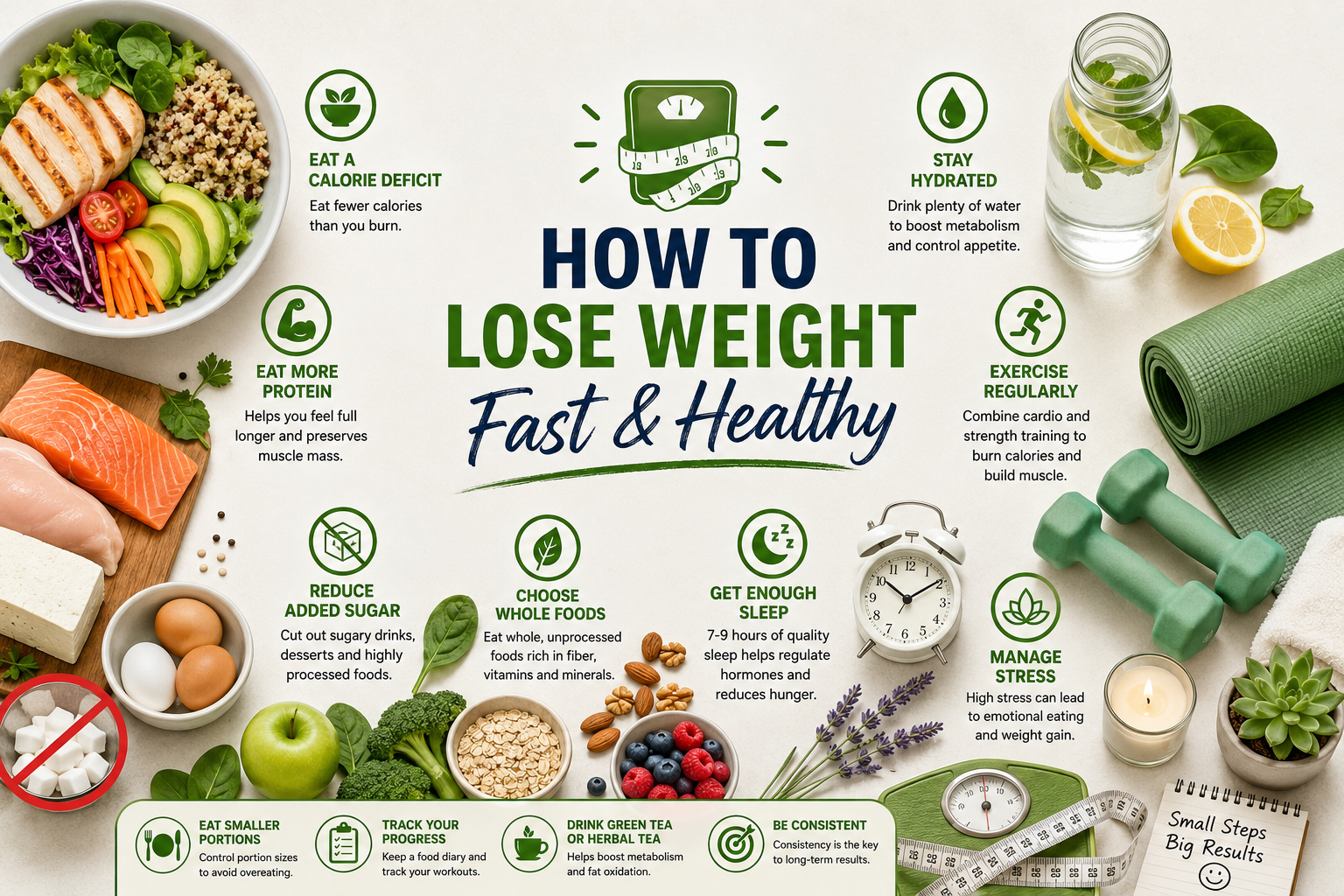
Protecting your skin from excessive sun exposure, avoiding smoking, limiting excessive sugar intake, staying hydrated, exercising regularly, eating a nutrient-rich diet, and getting enough sleep all help preserve your body’s natural collagen levels.
Build a Collagen-Friendly Lifestyle
Healthy collagen levels are supported by consistent daily habits. Combining nutritious foods, regular physical activity, proper hydration, quality sleep, and responsible supplementation provides the best long-term support for healthy skin, strong joints, flexible muscles, and overall well-being.