Can Stress Cause Hair Loss?
Yes, prolonged physical or emotional stress can contribute to hair loss. Stress affects the normal hair growth cycle and may cause more hair follicles to enter the resting phase, resulting in increased shedding. Although stress-related hair loss is often temporary, managing stress early can help support healthy hair growth and recovery.
How Stress Affects Hair Growth
Hair grows in a continuous cycle that includes growth, transition, resting, and shedding phases. High levels of stress can disrupt this cycle by pushing a larger number of hair follicles into the shedding phase at the same time. As a result, noticeable hair loss may occur several weeks or even months after a stressful event.
Signs of Stress-Related Hair Loss
Stress-related hair loss usually appears as increased shedding rather than bald patches. You may notice more hair on your pillow, hairbrush, shower drain, or clothing. Hair may also appear thinner overall without affecting a single specific area of the scalp.
Types of Hair Loss Linked to Stress
Stress is commonly associated with conditions such as telogen effluvium, where many hair follicles enter the resting stage simultaneously. In some cases, stress may also contribute to behaviors like excessive hair pulling or worsen existing hair and scalp conditions. Proper evaluation is important if hair loss becomes severe or persistent.
Eat a Nutrient-Rich Diet
Healthy hair depends on adequate nutrition. Protein, iron, zinc, biotin, vitamin D, vitamin C, and omega-3 fatty acids all support normal hair growth. Eating a balanced diet rich in lean proteins, fruits, vegetables, whole grains, nuts, seeds, and healthy fats provides the nutrients needed for healthier hair.
Prioritize Quality Sleep
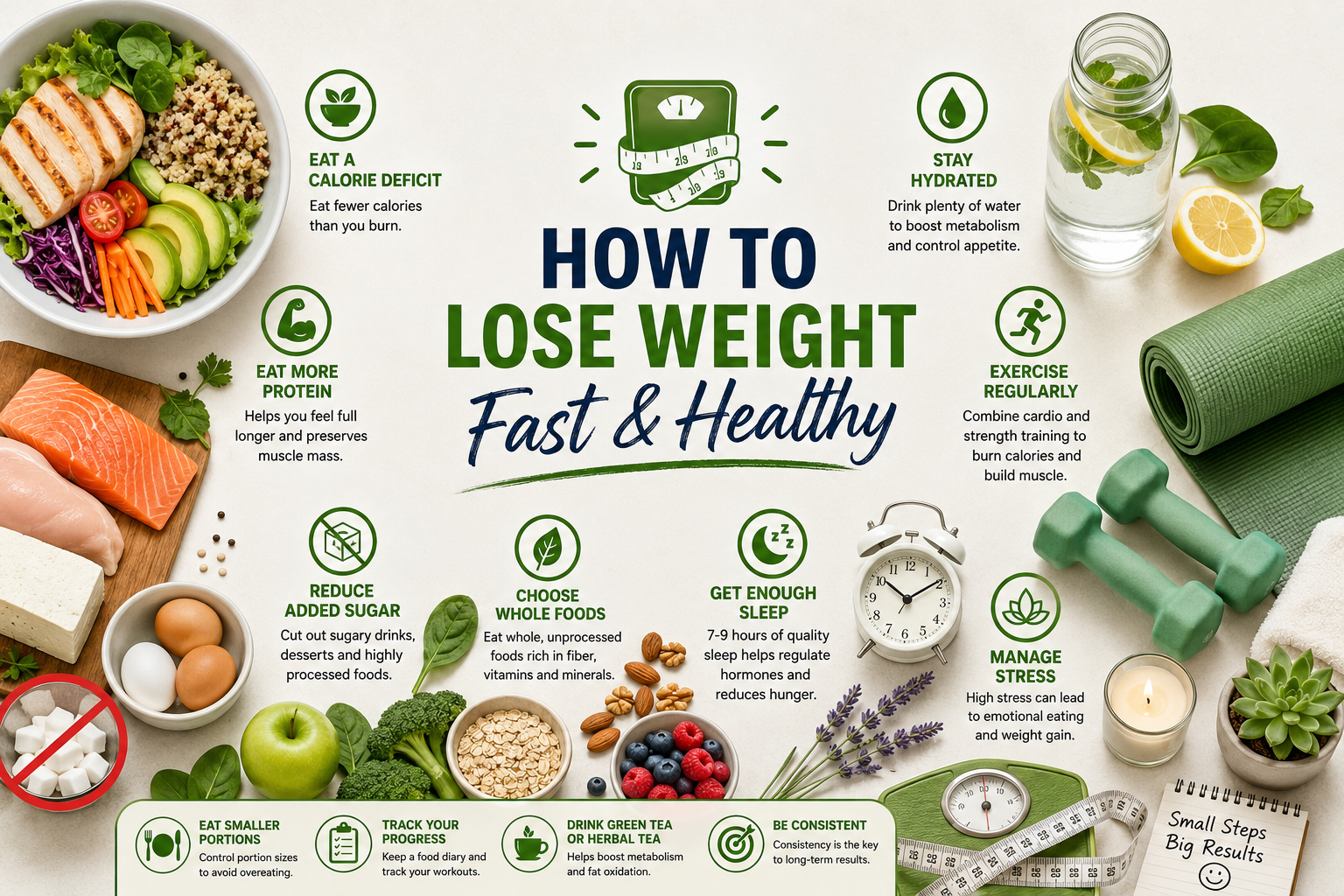
Sleep allows the body to repair tissues and regulate hormones involved in stress and hair growth. Adults should aim for seven to nine hours of quality sleep each night to support overall health and maintain a healthy hair growth cycle.
Practice Stress Management
Managing stress is one of the most effective ways to reduce stress-related hair shedding. Deep breathing, meditation, yoga, regular exercise, mindfulness, and spending time outdoors can help lower stress levels and improve emotional well-being.
Stay Physically Active
Regular exercise improves blood circulation, supports hormone balance, and promotes better mental health. Physical activity also helps reduce stress hormones, creating a healthier environment for normal hair growth.
Be Gentle with Your Hair
Avoid excessive heat styling, tight hairstyles, harsh chemical treatments, and aggressive brushing while your hair is recovering. Using gentle shampoos, wide-tooth combs, and moisturizing conditioners helps reduce unnecessary hair breakage.
Can Supplements Help?
Some individuals with nutritional deficiencies may benefit from supplements containing biotin, iron, zinc, collagen, or vitamin D. Supplements should only be used when appropriate and preferably under the guidance of a healthcare professional to avoid unnecessary or excessive intake.
When Does Hair Grow Back?
In many cases, stress-related hair loss improves once stress levels decrease and the body returns to its normal hair growth cycle. New hair growth may become noticeable within several months, although recovery time varies depending on individual health and the underlying cause of stress.
When Should You See a Healthcare Professional?
If hair loss continues for several months, becomes severe, or is accompanied by scalp irritation or other symptoms, consult a healthcare professional or dermatologist. Hair loss may result from hormonal changes, nutritional deficiencies, thyroid disorders, medications, or other medical conditions that require proper diagnosis.
Build Healthy Habits for Stronger Hair
Long-term hair health depends on more than reducing stress alone. Combining balanced nutrition, regular exercise, sufficient sleep, proper hydration, gentle hair care, and effective stress management creates the best foundation for maintaining healthy, strong hair throughout life.