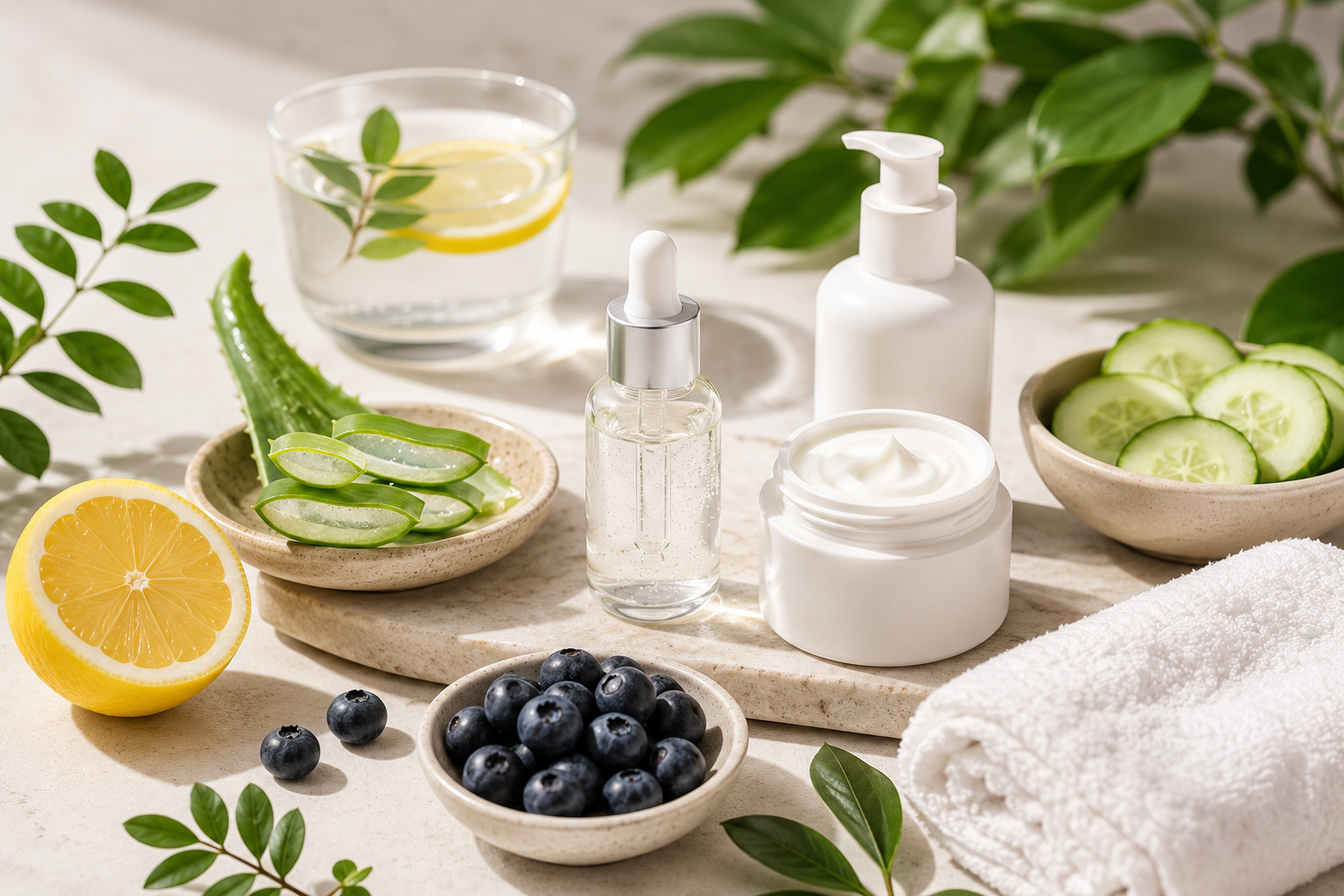
What Does Clear Skin Mean?
Clear skin is healthy skin that looks smooth, even-toned, and free from frequent breakouts, excessive dryness, or irritation. While everyone experiences occasional skin concerns, maintaining a consistent skincare routine and healthy lifestyle can significantly improve your skin’s appearance over time.
Achieving clear skin is not about perfection. Instead, it involves caring for your skin in a way that supports its natural barrier and overall health.
Understand Your Skin Type
Knowing your skin type is the first step toward building an effective skincare routine. Skin generally falls into one of five categories: normal, oily, dry, combination, or sensitive.
Using products designed for your specific skin type helps reduce irritation, control excess oil, and maintain proper hydration, making it easier to achieve clearer skin.
Cleanse Your Face Twice Daily
Cleansing removes dirt, excess oil, makeup, sunscreen, and environmental pollutants that accumulate throughout the day. Washing your face every morning and evening helps keep pores clean and reduces the likelihood of breakouts.
Choose a gentle cleanser that cleans effectively without stripping away your skin’s natural moisture.
Keep Your Skin Hydrated
Hydrated skin functions more effectively and is less likely to become irritated. Even oily skin needs proper hydration, as dehydration can trigger increased oil production.
Apply a lightweight moisturizer after cleansing to lock in moisture and strengthen the skin’s protective barrier.
Never Skip Sunscreen
Daily sun protection is essential for maintaining clear, healthy skin. UV rays can cause premature aging, dark spots, inflammation, and uneven skin tone.
Use a broad-spectrum sunscreen with at least SPF 30 every morning, even on cloudy days, and reapply when spending extended time outdoors.
Exfoliate in Moderation
Exfoliation removes dead skin cells that can clog pores and make the skin appear dull. However, excessive exfoliation may damage the skin barrier and cause irritation.
Using a gentle chemical or physical exfoliant once or twice a week is usually enough for most skin types.
Eat Skin-Friendly Foods
Your diet can influence your skin’s overall health. Fresh fruits, vegetables, whole grains, healthy fats, lean proteins, and antioxidant-rich foods provide nutrients that support skin repair and reduce inflammation.
Vitamin C, vitamin E, zinc, and omega-3 fatty acids are particularly important for maintaining healthy skin.
Drink Enough Water
Proper hydration supports normal skin function and helps maintain a healthy complexion. Drinking enough water throughout the day contributes to overall skin health while supporting other essential body functions.
Although water alone won’t eliminate acne, staying hydrated complements a healthy skincare routine.
Get Enough Sleep
Sleep allows your body to repair and regenerate skin cells. Poor sleep may increase stress hormones that contribute to breakouts and dull-looking skin.
Aim for seven to nine hours of quality sleep each night to help your skin recover naturally.
Manage Stress Effectively
Stress can trigger hormonal changes that contribute to acne and skin irritation. Incorporating relaxation techniques such as meditation, deep breathing, yoga, or regular exercise can help reduce stress and support healthier skin.
A balanced lifestyle often reflects positively on your complexion.
Avoid Touching Your Face
Your hands come into contact with countless surfaces throughout the day. Frequently touching your face can transfer dirt, oil, and bacteria, increasing the risk of clogged pores and breakouts.
Keeping your hands away from your face is a simple but effective habit for clearer skin.
Choose Skincare Products Carefully
Using too many products at once can overwhelm your skin and increase irritation. Instead, build a simple routine with gentle, well-formulated products that address your skin’s specific needs.
Ingredients such as niacinamide, salicylic acid, hyaluronic acid, and vitamin C are commonly used to support healthier-looking skin.
Be Consistent with Your Routine
Clear skin doesn’t happen overnight. Healthy skin requires consistent care and patience. Following a regular skincare routine, maintaining healthy habits, and protecting your skin daily will produce better long-term results than constantly changing products.
Consistency is often the most important factor in achieving naturally clear skin.