GLP-1, or Glucagon-Like Peptide-1, is a naturally occurring hormone produced in the intestines after eating. It plays an important role in regulating blood sugar levels, appetite, and digestion. Because of its ability to help control hunger and food intake, GLP-1 has become one of the most talked-about topics in modern weight management.
In recent years, GLP-1 medications have gained significant attention for helping individuals lose weight alongside healthy lifestyle changes. These medications mimic the action of the body’s natural GLP-1 hormone, making it easier to manage appetite and maintain a calorie-controlled diet.
Understanding how GLP-1 works can help you make informed decisions about whether this approach may be suitable for your health goals.
The GLP-1 hormone communicates with several organs in the body, particularly the brain, stomach, and pancreas. After eating, GLP-1 signals the brain that the body is full, helping reduce hunger and prevent overeating.
Another important function is slowing the rate at which food leaves the stomach. Since digestion becomes slower, people often feel satisfied for a longer period after meals. This may naturally reduce snacking and excessive calorie consumption throughout the day.
GLP-1 also helps regulate insulin release while reducing glucagon production, supporting healthy blood sugar management. Stable blood sugar levels may help reduce cravings for sugary foods and contribute to better eating habits.
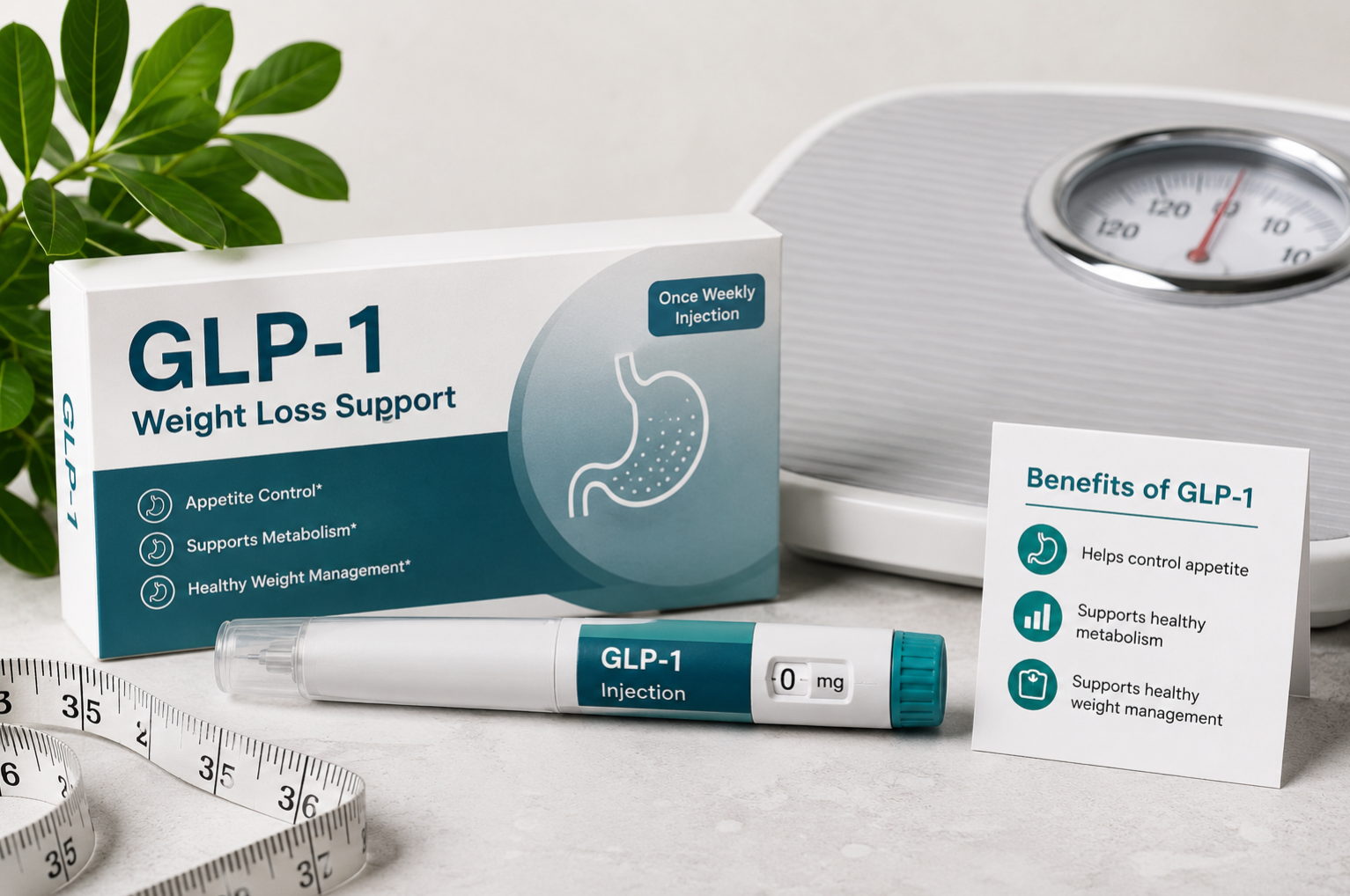
One of the biggest advantages of GLP-1 therapy is appetite control. Many people find it easier to reduce portion sizes without constantly feeling hungry.
GLP-1 may also help individuals develop healthier eating patterns by decreasing cravings for high-calorie foods. Instead of relying solely on willpower, the body’s natural hunger signals become easier to manage.
Additional potential benefits include improved blood sugar regulation, better insulin sensitivity, gradual and sustainable weight loss, reduced emotional eating, and improved confidence during a long-term weight management journey.
Many healthcare providers recommend combining GLP-1 treatment with healthy nutrition and regular physical activity for the best results.
GLP-1 medications are generally prescribed for adults with obesity or individuals who are overweight and have weight-related medical conditions such as type 2 diabetes, high blood pressure, or sleep apnea.
A healthcare professional will usually evaluate body mass index (BMI), medical history, current medications, and overall health before recommending GLP-1 treatment.
These medications are not intended as cosmetic weight-loss solutions for individuals who are already at a healthy weight.
Several prescription medications work by activating GLP-1 receptors. Some are approved specifically for type 2 diabetes, while others are approved for chronic weight management.
These medications are available only under medical supervision because dosage, monitoring, and individual health conditions all influence treatment safety and effectiveness.
Your healthcare provider can determine which medication, if any, is appropriate for your needs.
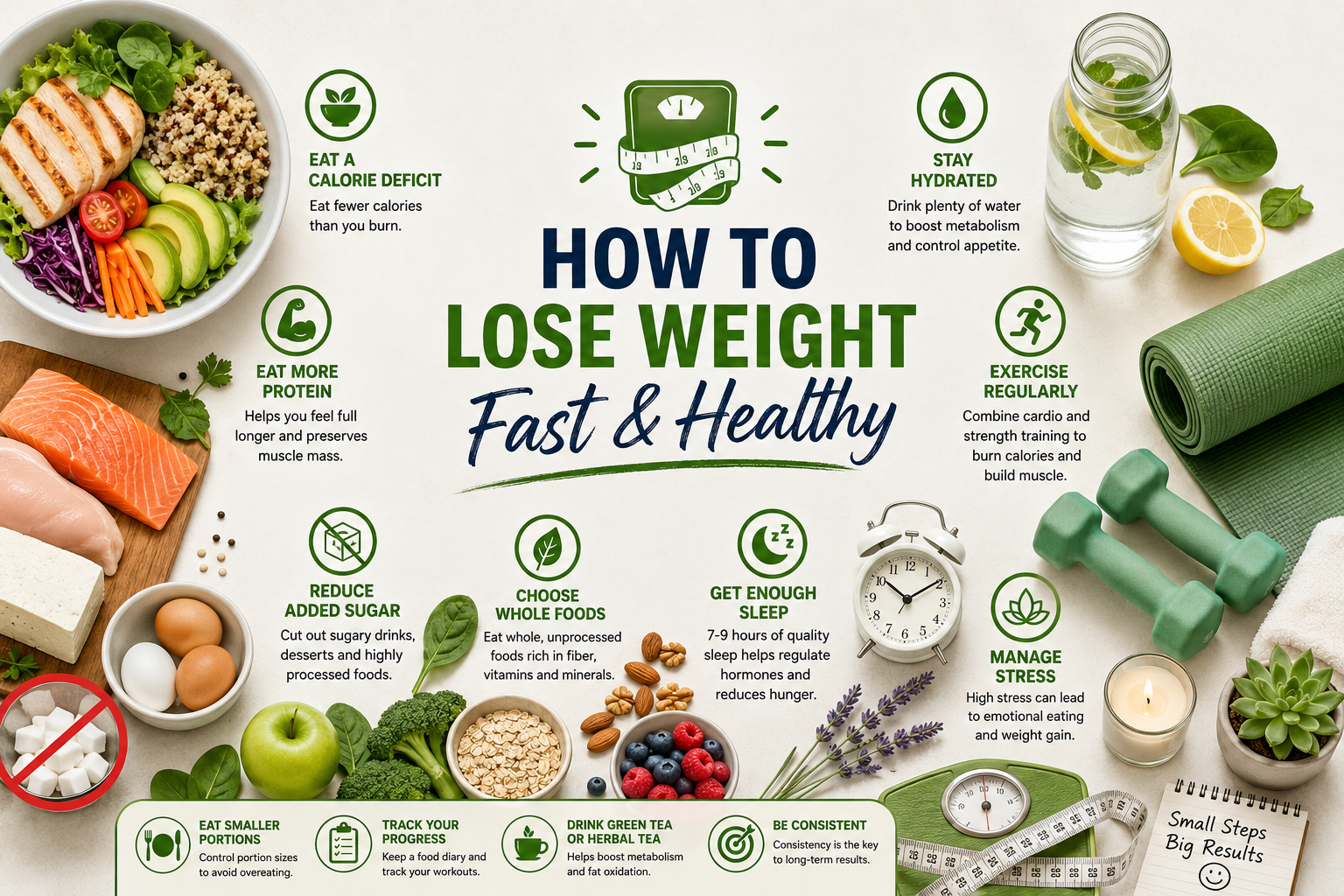
Although prescription medications provide stronger GLP-1 effects, certain lifestyle habits may naturally encourage healthy GLP-1 production.
Eating meals rich in dietary fiber supports digestive health and may stimulate natural GLP-1 release. Vegetables, legumes, oats, whole grains, and fruits are excellent sources of fiber.
Protein-rich foods such as fish, eggs, lean chicken, yogurt, beans, and lentils may also increase feelings of fullness while supporting GLP-1 activity.
Healthy fats from nuts, seeds, olive oil, and avocados contribute to balanced nutrition and may help regulate appetite.
Fermented foods containing beneficial bacteria may improve gut health, which plays an important role in hormone production and digestion.
Individuals using GLP-1 medications often achieve better results when they develop sustainable eating habits instead of following restrictive diets.
Choosing nutrient-dense foods provides essential vitamins and minerals while helping control calorie intake. Eating slowly allows the brain enough time to recognize fullness signals.
Small, balanced meals are often easier to tolerate because GLP-1 slows stomach emptying. Drinking enough water throughout the day also supports digestion and overall health.
Highly processed foods, sugary beverages, and excessive fast food consumption may reduce overall progress despite medication.
Physical activity remains one of the most important components of successful weight management.
Walking, cycling, swimming, strength training, and other enjoyable forms of exercise help burn calories while preserving muscle mass during weight loss.
Exercise also improves cardiovascular health, insulin sensitivity, mood, and energy levels. Combining regular activity with GLP-1 treatment often produces better long-term outcomes than medication alone.
Consistency is usually more effective than extremely intense workout programs that are difficult to maintain.
Like most medications, GLP-1 treatments may cause side effects. Fortunately, many are temporary and improve as the body adjusts.
The most commonly reported side effects include nausea, vomiting, diarrhea, constipation, bloating, stomach discomfort, decreased appetite, and occasional fatigue.
Healthcare providers often begin with a lower dose and gradually increase it to minimize digestive symptoms.
Anyone experiencing severe abdominal pain, persistent vomiting, or unusual symptoms should seek medical attention promptly.
GLP-1 medications should always be used under professional medical guidance.
Your healthcare provider may discuss existing medical conditions, family history, pregnancy plans, current medications, and possible interactions before prescribing treatment.
Routine follow-up appointments allow healthcare professionals to monitor weight loss progress, blood sugar levels, and any side effects that may require dosage adjustments.
Self-medicating or purchasing prescription GLP-1 medications from unverified sources is strongly discouraged.
Medication alone cannot replace healthy daily habits. Sustainable weight management depends on creating routines that support long-term success.
Getting seven to nine hours of quality sleep each night helps regulate hormones associated with hunger and fullness.
Managing stress through meditation, walking, breathing exercises, or hobbies may reduce emotional eating and unhealthy food choices.
Meal planning, mindful eating, and maintaining a consistent eating schedule can further support healthy weight management.
Tracking progress with measurements, photos, or health indicators instead of focusing only on the number on the scale may provide additional motivation.
No. GLP-1 does not directly burn fat. Instead, it helps reduce appetite, improve fullness, and lower calorie intake, which can lead to gradual fat loss over time.
Weight loss varies from person to person. Many individuals begin noticing changes within several weeks, while significant results usually require consistent treatment combined with healthy lifestyle habits.
Some individuals may maintain their results through healthy eating and exercise, while others may require ongoing medical guidance. Your healthcare provider can recommend the most appropriate long-term plan.
No. Some people experience mild digestive symptoms, while others tolerate treatment very well. Side effects often improve after the first few weeks.
Yes. Exercise supports muscle preservation, improves overall health, increases calorie expenditure, and helps maintain long-term weight loss results.
Healthy foods can support the body’s natural GLP-1 production, but they do not produce the same therapeutic effects as prescription GLP-1 medications. Lifestyle improvements remain valuable whether or not medication is used.